
Introduction
When we think about sugar, the first thing that usually comes to mind is refined white sugar or maybe brown sugar. But did you know that milk itself contains a natural form of sugar? This sugar is known as lactose, and it plays an essential role in nutrition, food production, and even health science.
At NKKN, we believe in bringing awareness to natural ingredients that are often overlooked but are incredibly important in our daily lives. Lactose sugar is one such ingredient. Found naturally in milk and dairy products, lactose is not just a sweetener—it’s a source of energy, a functional ingredient in food processing, and a key component in many industries.
In this blog, we’ll explore everything you need to know about lactose sugar—what it is, how it’s made, its benefits, uses, and why it deserves more attention.
What is Lactose Sugar?
Lactose is a natural sugar found in milk and dairy products. It is often referred to as milk sugar Chemically, lactose is a disaccharide, which means it is made up of two simple sugars: glucose and galactose.
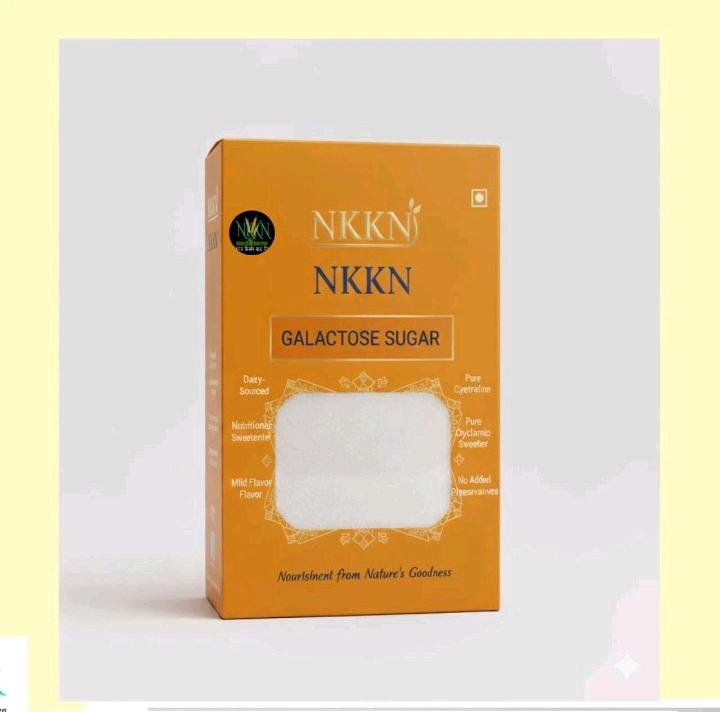
NKKN Lactose Sugar NKKN Lactose Sugar
When you drink milk or eat dairy products, your body breaks lactose down into these two sugars, which are then absorbed into the bloodstream and used for energy.
Unlike refined sugar, lactose has a mild sweetness. In fact, it is about 20–40% as sweet as regular table sugar. This makes it ideal for applications where a subtle sweetness is preferred.
How is Lactose Sugar Produced?
At NKKN, we emphasize understanding the journey of every ingredient. Lactose sugar is typically extracted from milk during the production of dairy products like cheese.
Step-by-Step Process:
Milk Processing
Fresh milk is collected and processed to separate cream and skim milk.
Cheese Production
During cheese making, a liquid called whey is produced as a by-product.
Whey Collection
Whey contains lactose, proteins, vitamins, and minerals.
Filtration and Purification
The whey is filtered to remove proteins and impurities.
Crystallization
Lactose is then crystallized from the purified solution.
Drying
The crystals are dried to form lactose powder.
The final product is a white, odorless, slightly sweet powder—pure lactose sugar.
Types of Lactose Sugar
Lactose sugar is available in different forms depending on its application:
Food Grade Lactose
Used in bakery products, sweets, and dairy items.
Pharmaceutical Grade Lactose
Highly purified lactose used in medicines as a filler or stabilizer.
Infant Formula Lactose
Specially processed lactose used in baby food products.
At NKKN, quality and purity are always the top priorities, ensuring lactose meets the highest standards for consumption.
Nutritional Value of Lactose Sugar
Lactose is not just a sweetener—it also provides energy.
Nutritional Highlights (per 100g approx.):
Calories: 400 kcal
Carbohydrates: 100g
Protein: 0g
Fat: 0g
Calcium (trace amounts depending on source)
Lactose is a clean carbohydrate source, making it suitable for various applications.
Benefits of Lactose Sugar
Natural Source of Energy
Lactose provides a steady release of energy, making it ideal for daily consumption.
Supports Calcium Absorption
Lactose helps the body absorb calcium more efficiently, which is important for strong bones and teeth.
Mild Sweetness
Its low sweetness level makes it perfect for recipes that require balance rather than overpowering sweetness.
Promotes Gut Health
NKKNNational Kisaan Khadhaya Nigam
Lactose can act as a prebiotic in some cases, supporting beneficial gut bacteria.
Versatile Ingredient
Used in food, pharmaceuticals, and even cosmetics.
Uses of Lactose Sugar
Lactose sugar has a wide range of applications across industries.
Food Industry
Bakery Products
Lactose improves texture and browning in baked goods like bread, cookies, and cakes.
Confectionery
Used in chocolates, candies, and sweets for smooth texture.
Dairy Products
Enhances flavor in milk powder, ice cream, and yogurt.
Pharmaceutical Industry
Lactose is widely used as a filler or binder in tablets and capsules. It helps ensure proper dosage and consistency.
Infant Nutrition
Lactose is a key ingredient in baby formulas, as it closely resembles the natural sugar found in breast milk.
Animal Feed
Used in feed formulations to provide energy and improve palatability.
Lactose vs Other Sugars
Understanding how lactose compares to other sugars can help you make better choices.
Feature Lactose Sucrose (Table Sugar) Fructose
Sweetness Low High Very High
Source Milk Sugarcane/Beet Fruits
Digestion Slower Moderate Fast
Health Impact Balanced Can spike sugar Can spike sugar
Lactose provides a gentler energy release, making it different from refined sugars.
Lactose Intolerance: What You Should Know
While lactose is beneficial, some people may have difficulty digesting it.
What is Lactose Intolerance?
It occurs when the body lacks lactase, the enzyme needed to break down lactose.
Symptoms:
Bloating
Gas
Diarrhea
Stomach discomfort
Important Note
Not everyone is lactose intolerant. Many people can consume lactose without any issues.
At NKKN, we encourage awareness and informed choices when it comes to dietary needs.
Is Lactose Sugar Healthy?
Lactose is considered a natural and safe sugar when consumed in moderation.
Why It’s Better Than Refined Sugar:
Less sweet, so lower consumption
Naturally derived
Provides additional nutritional benefits
Supports calcium absorption
However, like any sugar, it should be consumed as part of a balanced diet.
Lactose Sugar in Modern Food Trends
With the rise of clean eating and natural ingredients, lactose is gaining attention.
Key Trends:
Use in natural sweeteners
Growing demand in infant nutrition
Increased use in pharmaceutical formulations
Preference for minimally processed ingredients
Brands like NKKN are focused on promoting natural, high-quality ingredients that align with modern lifestyles.
Storage and Shelf Life
To maintain quality, lactose sugar should be stored properly.
Storage Tips:
Keep in a cool, dry place
Store in airtight containers
Avoid moisture exposure
Shelf Life:
Lactose sugar typically has a long shelf life if stored correctly.
Why Choose NKKN Lactose Sugar?
At NKKN, we are committed to quality, purity, and trust.
What Makes NKKN Special:
High-quality sourcing
Advanced processing methods
Strict quality control
Safe and hygienic packaging
We believe in delivering products that meet both industry standards and customer expectations.
Common Myths About Lactose Sugar
Myth 1: Lactose is unhealthy
Reality: It is a natural sugar with nutritional benefits.
Myth 2: Everyone is lactose intolerant
Reality: Only some individuals have intolerance.
Myth 3: Lactose is the same as refined sugar
Reality: Lactose is less sweet and behaves differently in the body.
Tips for Using Lactose Sugar
Use in baking for better texture
Combine with other sweeteners for balanced taste
Ideal for dairy-based recipes
Useful in low-sweetness formulations
Environmental and Economic Importance
Lactose production also supports sustainability.
Utilizes whey, a by-product of cheese making
Reduces food waste
Adds value to dairy processing
This makes lactose an environmentally friendly ingredient.
Future of Lactose Sugar
The demand for lactose is expected to grow due to:
Expansion of dairy industry
Growth in pharmaceutical sector
Rising demand for infant nutrition products
With increasing awareness, lactose sugar is becoming a key ingredient in global markets.
Conclusion
Lactose sugar is much more than just a sweetener—it is a natural, versatile, and valuable ingredient with numerous applications. From providing energy to supporting calcium absorption, lactose plays an important role in nutrition and industry.
At NKKN, we are proud to highlight ingredients like lactose that combine nature, science, and functionality. Whether used in food, medicine, or nutrition, lactose sugar continues to prove its importance in everyday life.
By understanding and appreciating such natural components, we can make smarter, healthier, and more informed choices.
If you want, I can also:
Turn this into SEO-optimized blog (with keywords + headings for ranking)
Create featured image / thumbnail (navy blue style)
Or convert into YouTube script / reel content